Enriched Learning at Hurlingham
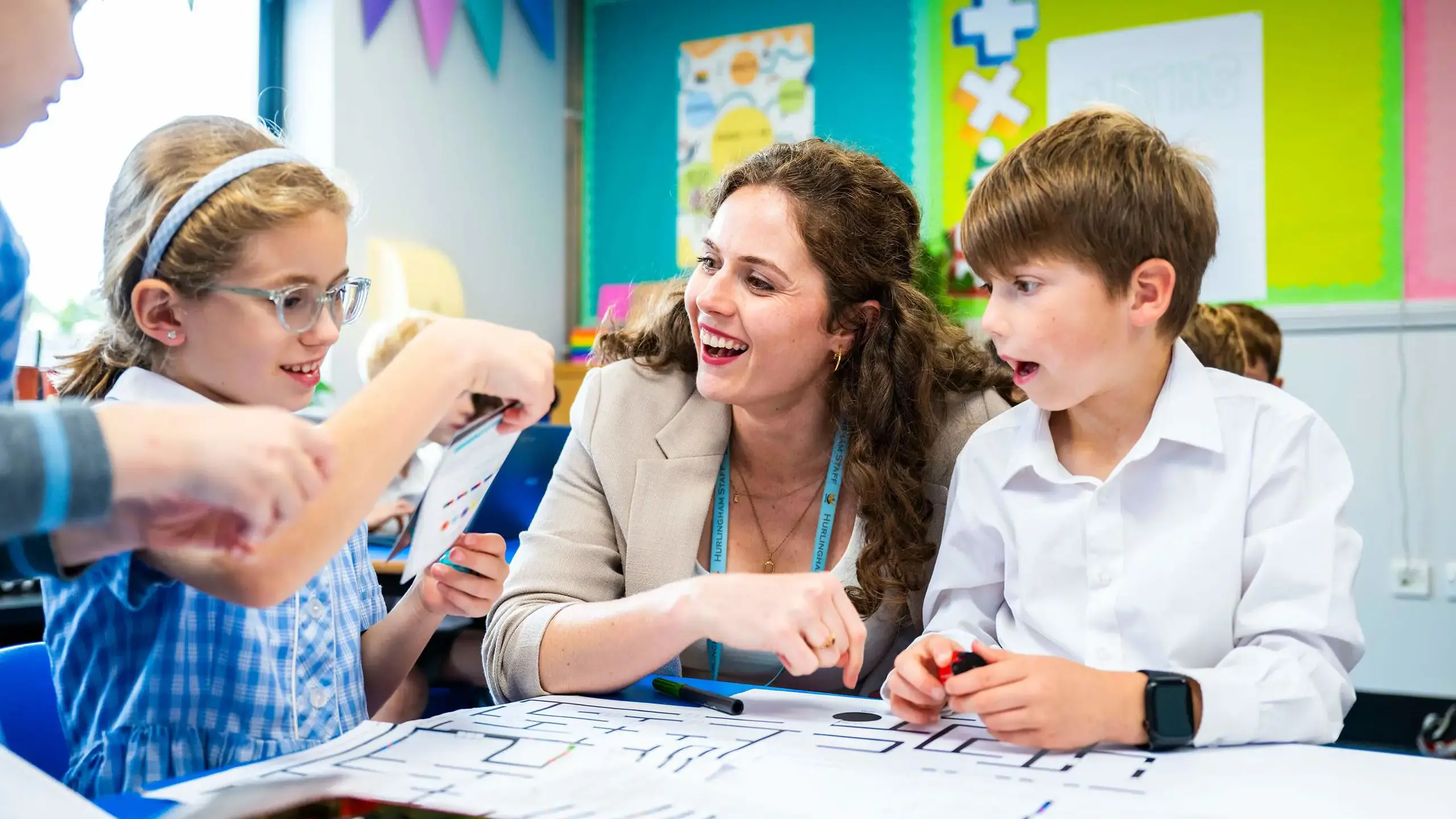
At Hurlingham School, we provide a stimulating, innovative and enriched learning community where all of the children thrive in everything they do.
Whilst our curriculum is based on the National Curriculum and 11+ preparation for Senior Schools, we provide inclusive, dynamic and relevant learning opportunities to ensure our pupils gain key skills alongside essential knowledge. Our learning environments encourage the children to develop critical thinking skills, effective tools for communication, the ability to make decisions, take risks, problem solve, develop independence, resilience and empathy.
Through our enriched curriculum, the children develop a deep love of learning, as they work and play together in a kind, caring and supportive environment.
Subjects Taught to All Pupils:
- English
- Mathematics
- Science
- Computing
- History
- Geography
- Religion, Philosophy & Ethics (RPE)
- Drama
- Music & Singing
- Art & Design Technology
- French and Spanish (from Reception)
- Latin (Years 4–6)
- Physical Education, Gymnastics & Games (including competitive sports)
- PSHE (Personal, Social, Health & Economic Education)
- Enrichment & Personal Development (School Council, Eco-Schools, Charity Coordination, Healthy Schools)
Through this broad range of subjects, we encourage a strong sense of curiosity and a culture of collaboration.
We Strive To:
- Promote transferable skills, including literacy, numeracy and critical thinking across the curriculum
- Cultivate curiosity and imagination
- Ensure academic, creative and physical growth and fulfilment
- Promote respect, kindness and inclusion and a sense of responsibility and pride in our community
- Celebrate every child’s achievement and unique strengths
Lower School
Journey to Reception
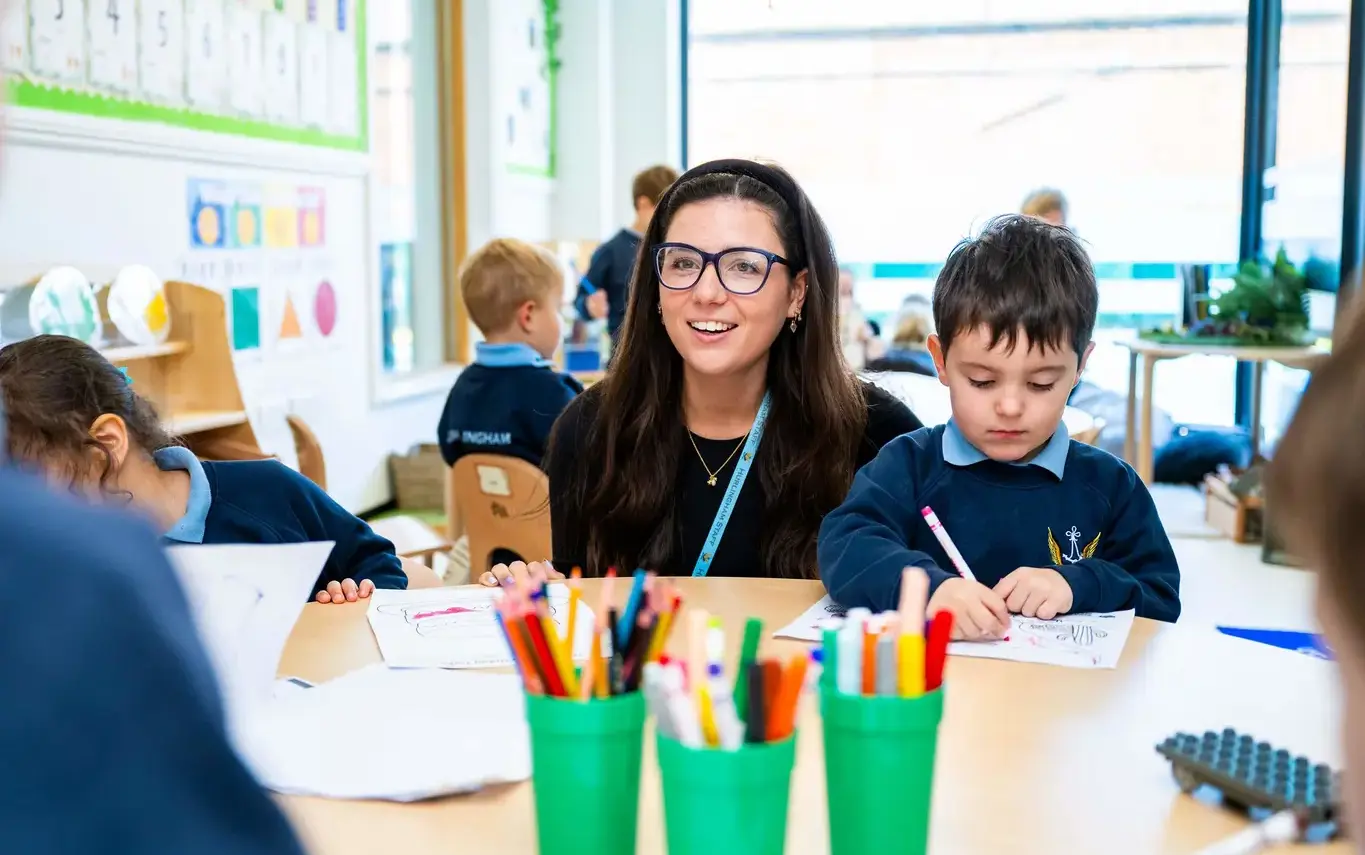
Children join Hurlingham at age four in one of three Reception classes, located in our Prep School. These calm and inviting classrooms connect to outdoor play areas and the Discovery Area. Our Reception classes are fully integrated into the Lower School but benefit from having access to unique spaces for exploration and discovery. All of the children have the opportunity to take part in Ballet and Karate, taught by experienced professionals.
Years 1 & 2
Imagination and discovery are at the heart of our Lower School experience. Inter-curricular themes ensure children’s learning is enriched through a challenging and creative curriculum where pupils enjoy deep learning experiences and opportunities to direct their learning through enquiry and discovery. Themes include: Wild Things, Journeys, Fire and Ice, Timeless Travels, Bodies and Beasts and What is a Warrior?
Each class benefits from two dedicated adults, a qualified teacher and a learning assistant. While Class Teachers deliver most subjects, specialists teach Modern Foreign Languages, Music, Art and Physical Education.
Our learning environments help children to develop independence through exploration and discovery. Every child is celebrated and supported for their individual strengths and achievements.
‘Upper School’
Years 3 & 4
While children continue to have a Form Teacher, who supports their wellbeing and teaches many of their subjects, they are gradually introduced to more specialist teaching and subject-specific learning environments. Subjects such as Science, Music, Art and Drama are led by experts in specialist classrooms, including the Science Lab, Drama Studio and Art Room. Latin lessons are introduced in Year 4, taught by our Head of Classics.
English and Mathematics is taught every day, alongside a balance of curriculum subjects: Science, Computing, History, Geography, Modern Languages, PE & Games, RPE, PSHE (Personal, Social, Health & Economic Education), PD (Personal Development), Music, Drama, Art & Design and Enrichment.
Years 5 & 6
These final primary years provide children with the structure and independence in readiness for their Senior schools. Strong pastoral support continues through their Form Teachers, who regularly meet with the children and allow time to prioritise their wellbeing, through conversations, group activities and journaling. Form Teachers also teach them core subjects such as English, Maths, Science, Computing, Humanities, PSHE (Personal, Social, Health & Economic Education) and Personal Development.
11+ Preparation
From Year 5, we deliver personalised support and guidance to prepare children for entrance examinations and their transition to Senior School. Children are given the tools to understand their mental health and wellbeing, communicate with those around them, develop organisation skills and time management. We provide opportunities for the children to take greater responsibility for their learning through self assessment, feedback meetings, reflection and target setting.
Read more about our 11+ Preparation here.
Computing & Digital Citizenship
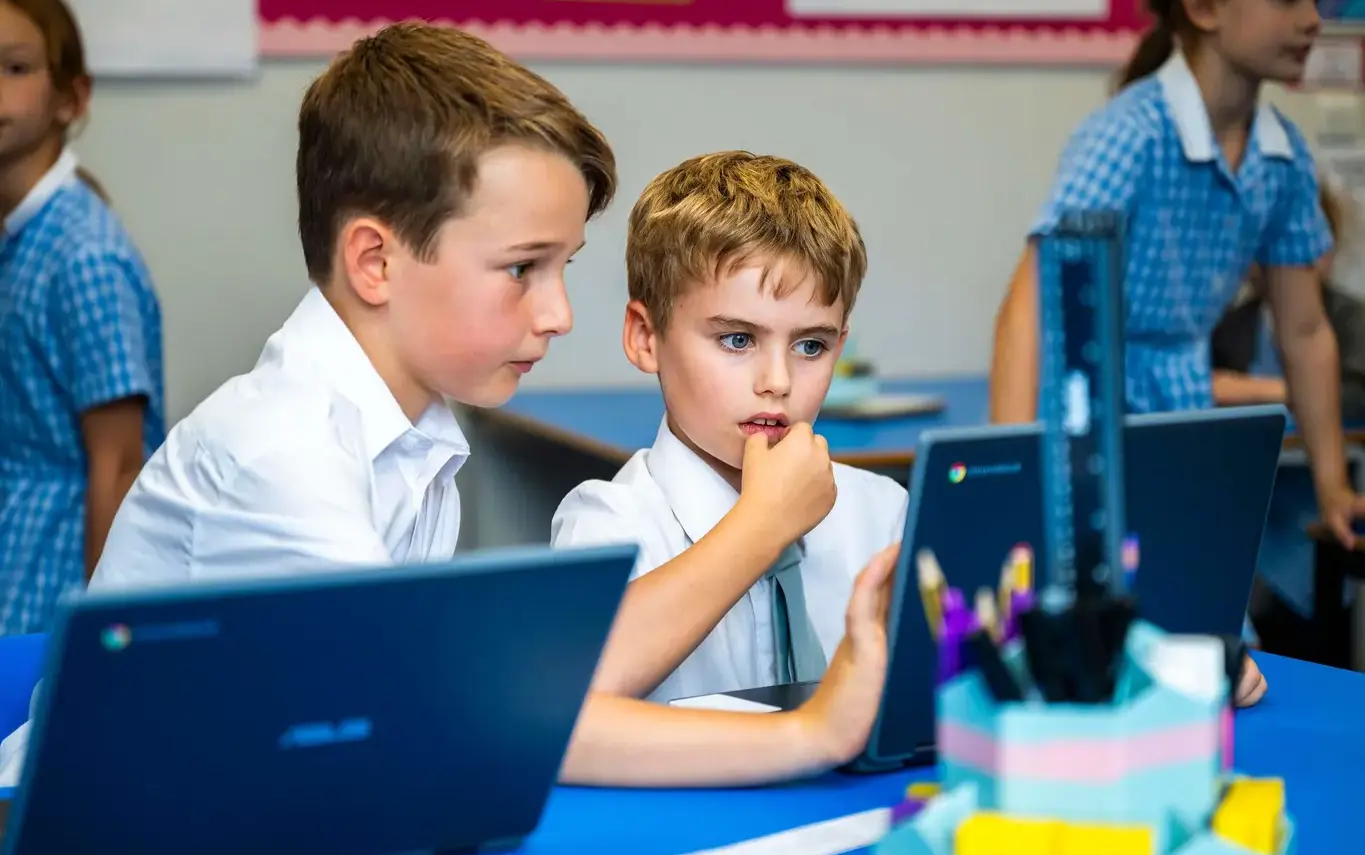
Technology is integral to our teaching. At Hurlingham, our aim is to empower children as content creators not just consumers, preparing them for a rapidly changing digital world.
Pupils Learn to:
- Program and interact with a variety of devices
- Use practical tech tools independently
- Build digital literacy and responsible online behaviour
Resources Include:
- Classroom smart screens or interactive whiteboards
- Chromebooks (individually issued in Years 4, 5 & 6)
- Personal touchscreen devices for staff
- Physical computing tools such as Bee-Bots, Cubettos, Ozobots and micro:bits
In the Lower School, computing skills are embedded throughout their learning and thematic lessons. Computing is taught as a discrete subject in the Upper School and used creatively across the curriculum. Pupils also gain experience with peripheral tech like printers, scanners, digital cameras and presentation tools.
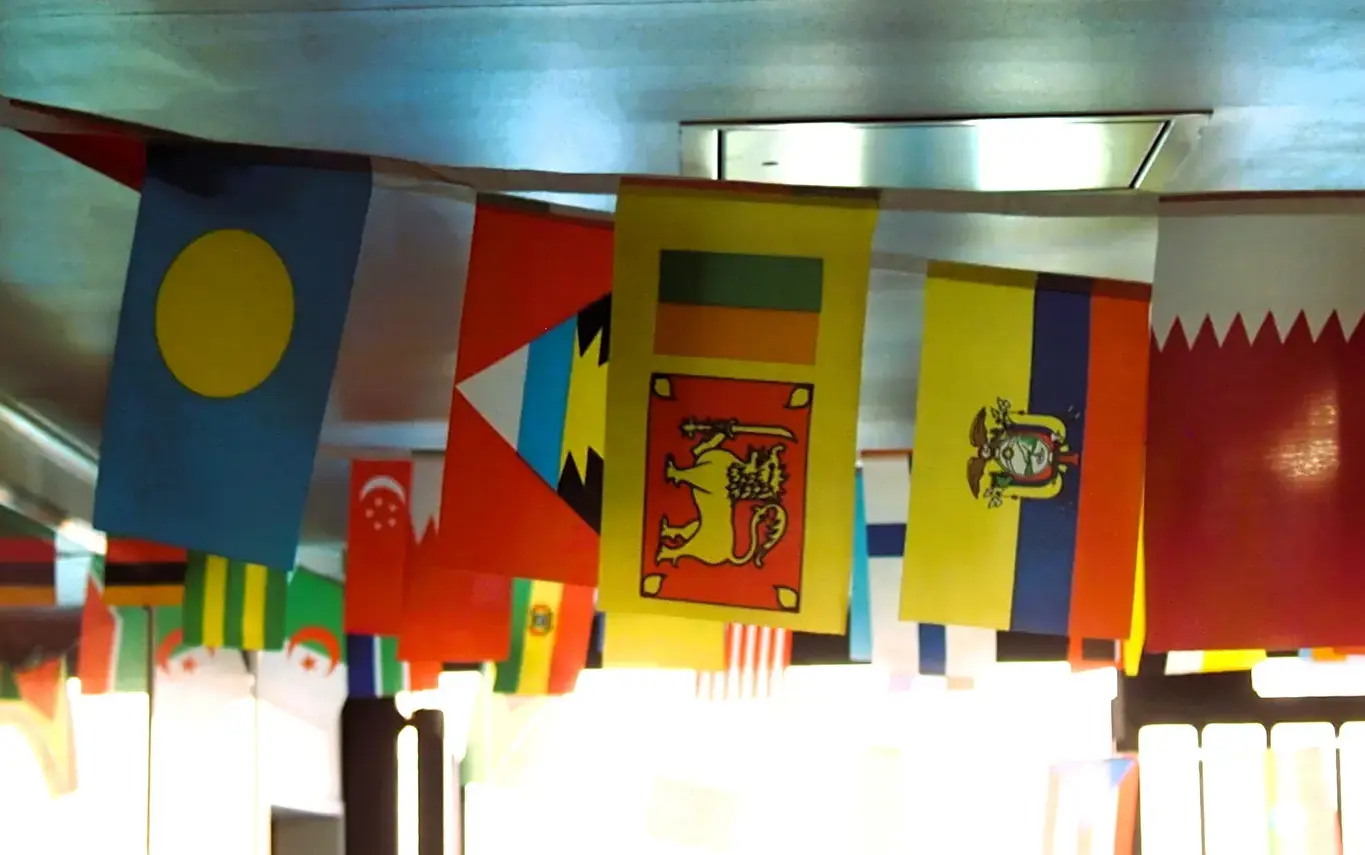
Languages: Bonjour! Hola! Salve!
At Hurlingham, children learn both French and Spanish from the moment they enter Reception. Children alternate languages for half of the year with Reception beginning with one lesson per week which increases as they move up the school.
In the Lower School, pupils begin by learning a basic range of vocabulary through songs and games with a focus on oral and aural skills. In Years 3 and 4, pupils are introduced more formally to the written language and grammatical structures and broaden their knowledge of vocabulary. Finally, in Years 5 and 6, pupils establish the skills, grammatical knowledge and vocabulary to promote and facilitate their further study of MFL at their next schools.